-
Billie Hopkins
- No Comments
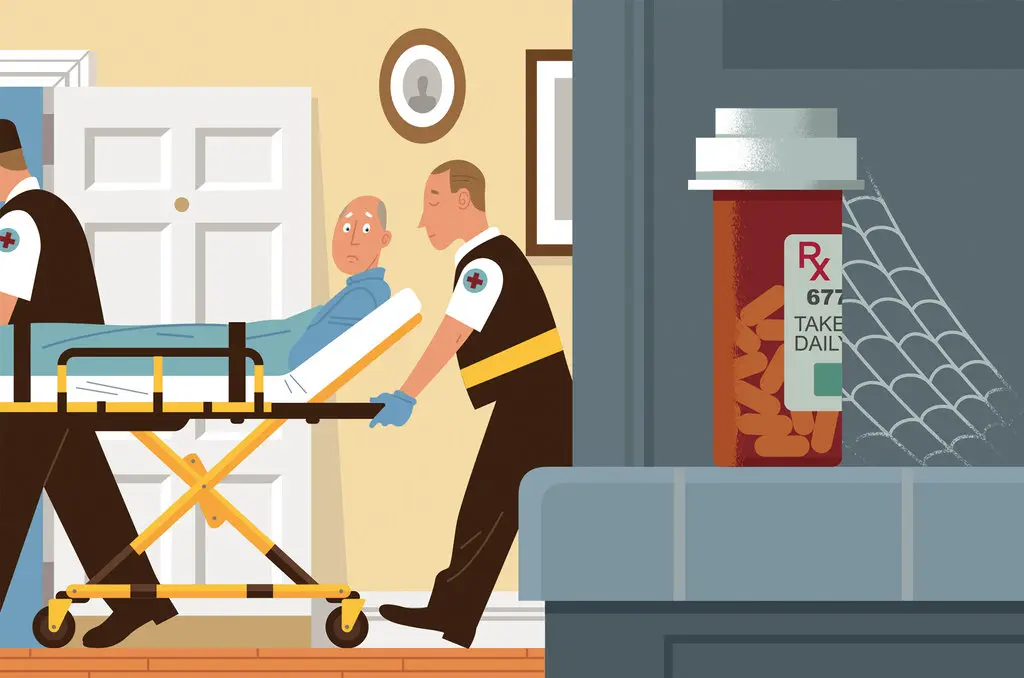
There is an out-of-control epidemic in the United States that costs more and affects more people than any disease Americans currently worry about. It’s called nonadherence to prescribed medications, and it is — potentially, at least — 100 percent preventable by the very individuals it afflicts.
The numbers are staggering. “Studies have consistently shown that 20 percent to 30 percent of medication prescriptions are never filled, and that approximately 50 percent of medications for chronic disease are not taken as prescribed,” according to a review in Annals of Internal Medicine. People who do take prescription medications — whether it’s for a simple infection or a life-threatening condition — typically take only about half the prescribed doses.
This lack of adherence, the Annals authors wrote, is estimated to cause approximately 125,000 deaths and at least 10 percent of hospitalizations, and to cost the American health care system between $100 billion and $289 billion a year.
Former Surgeon General C. Everett Koop put it bluntly: “Drugs don’t work in patients who don’t take them.” This partly explains why new drugs that perform spectacularly well in studies, when patients are monitored to be sure they follow doctors’ orders, fail to measure up once the drug hits the commercial market.
More important, it explains why so many patients don’t get better, suffer surprising relapses or even die when they are given drug prescriptions that should keep their disorders under control.
Studies have shown that a third of kidney transplant patients don’t take their anti-rejection medications, 41 percent of heart attack patients don’t take their blood pressure medications, and half of children with asthma either don’t use their inhalers at all or use them inconsistently.
“When people don’t take the medications prescribed for them, emergency department visits and hospitalizations increase and more people die,” said Bruce Bender, co-director of the Center for Health Promotion at National Jewish Health in Denver. “Nonadherence is a huge problem, and there’s no one solution because there are many different reasons why it happens.”
For example, he said parents often stop their children’s asthma treatment “because they just don’t like the idea of keeping kids on medication indefinitely.” Although a child with asthma may have no apparent symptoms, there is underlying inflammation in the lungs and without treatment, “if the child gets a cold, it can result in six weeks of illness,” Dr. Bender explained.
When Dr. Lisa Rosenbaum, a cardiologist at Brigham and Women’s Hospital in Boston, asked patients who had suffered a heart attack why they were not taking their medications, she got responses like “I’m old-fashioned — I don’t take medicine for nothing” from a man with failing kidneys, peripheral vascular disease, diabetes and a large clot in the pumping chamber of his heart. Another common response: “I’m not a pill person.”
When Dr. Rosenbaum told her hairdresser that she was studying why some people with heart disease don’t take their medications, he replied, “Medications remind people that they’re sick. Who wants to be sick?” He …